
What's New Trending
Related Blogs
29Jul
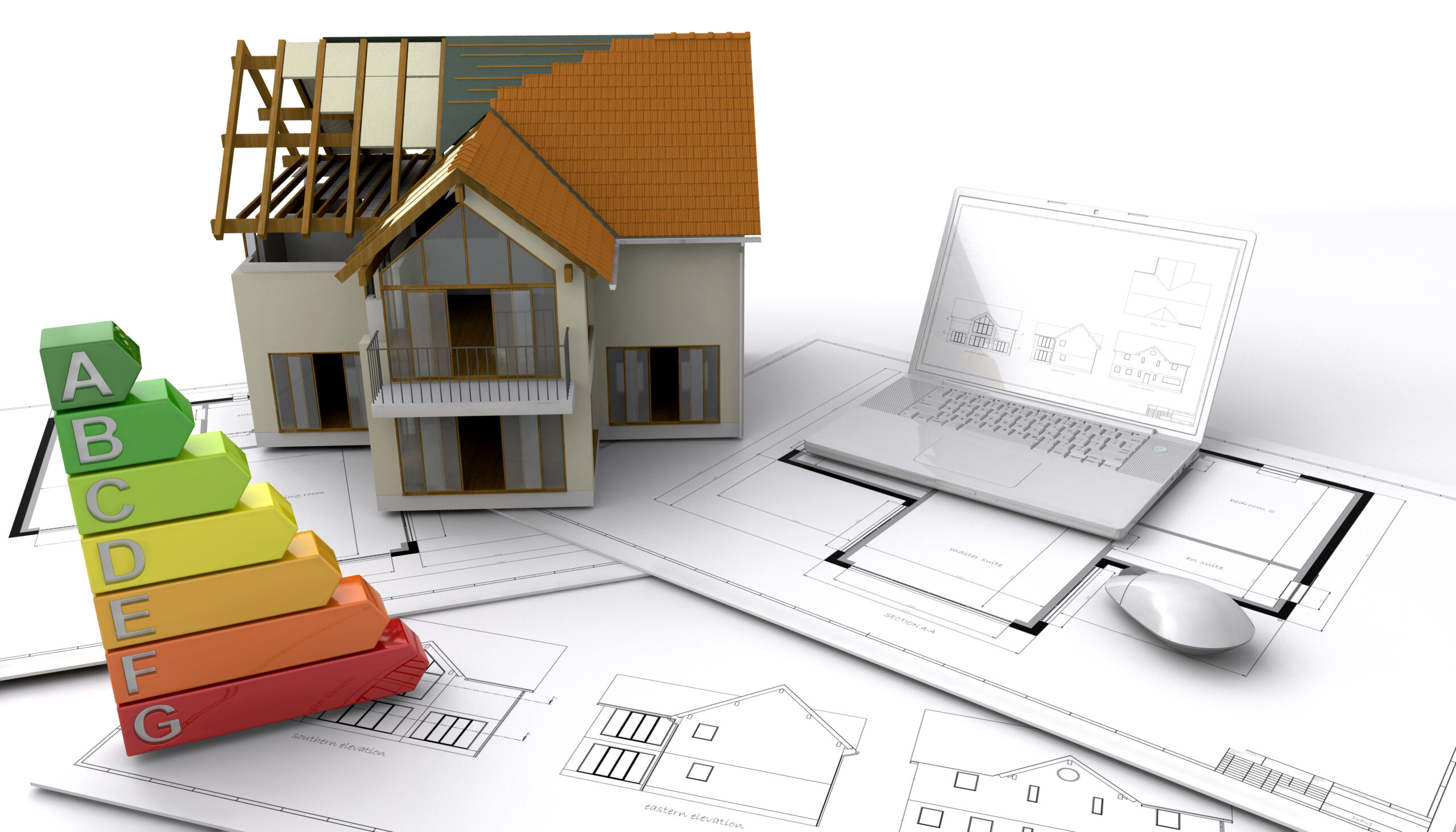
Faced with rising energy costs and new regulations, energy efficiency renovation has become a major issue for homeowners. Whether it's to reduce bills, increase the value of a property, or comply with the law, renovating your home for energy efficiency is now a strategic investment.
1. What is energy-efficient renovation?
Energy renovation encompasses all work aimed at improving a home's energy performance. It helps to reduce energy consumption, CO₂ emissions, and improve thermal comfort.
It primarily concerns:
Insulation (walls, roof, floors, windows)
The central heating and hot water system
Ventilation
The use of renewable energy
2. Why renovate your home?
 Reduce your energy bills
A poorly insulated home can lose up to 30% of its heat through the roof and 25% through the walls. A well-executed renovation can significantly reduce energy costs.
 Improve comfort
Better insulation guarantees a more stable temperature, less humidity, and greater comfort in both summer and winter.
 Valuing your property
Housing with a good energy rating sells and rents more easily, often at a better price. Conversely, highly energy-intensive homes lose value.
 To comply with regulations
Properties classified as F and G (thermal sieves) are progressively subject to rental restrictions. Renovating therefore sometimes becomes a legal obligation.
3. Priority works
 Insulation
This is the foundation of any effective energy renovation:
Roof and loft insulation
Wall insulation: interior or exterior
Replacement of single-glazed windows
 Heating and hot water
Replace an old boiler with a high-efficiency one
Install a heat pump
Choose a thermodynamic water heater
 Ventilation
Good ventilation (VMC) is essential to ensure healthy air quality and prevent damp problems after insulation.
4. Where to begin? Energy survey
Before commissioning any work, it is strongly recommended to carry out an energy audit or an EPC (Energy Performance Certificate). This allows you to:
Identify the main sources of heat loss
Prioritise work
Estimate energy gains
5. Available financial assistance
To encourage energy efficiency renovations, several schemes exist (depending on the country):
State aid
Local grants
Renovation bonuses
Reduced-rate eco-loan
These grants can cover a significant portion of the work's cost and improve the project's profitability.
6. Energy-efficient renovation: a profitable investment?
Even if the initial cost may seem high, energy renovation is profitable in the long term:
Energy savings
– Increase in property value
– Reduction of vacant rental properties
– Protecting heritage from future standards
Energy renovation is no longer an option but a necessity. When well-planned and well-supported, it combines savings, comfort, and property enhancement. To make a project a success, it is essential to prioritise the work, seek the support of qualified professionals, and take advantage of available aid.